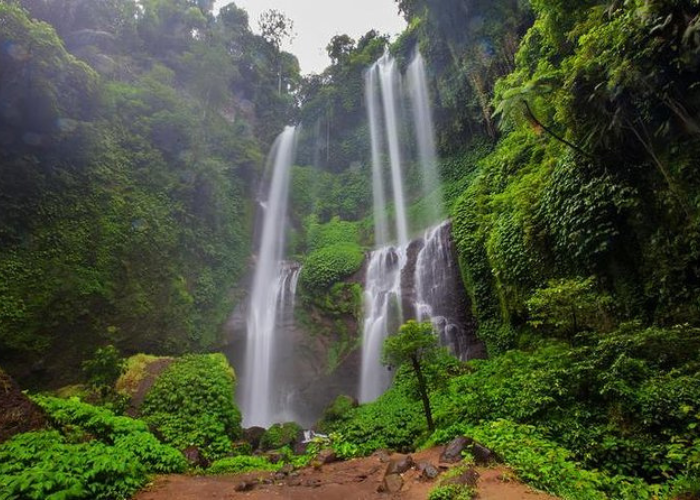
SEKUMPUL WATERFALL
Cost: IDR 20,000 – 50,000 entry.
It is the most beautiful waterfall in Bali. Sekumpul is a powerful, multi-tiered natural wonder nestled deep in North Bali ‘s lush highlands.
Best time to visit: April to October (dry season)
Drive or hire a driver to Sekumpul Village; moderate trek required
PRO TIPS :
- Wear water shoes with grip, the trail gets slippery.Go early to avoid crowds .
- Bring a waterproof bag for your camera or phone.
- It is not Family-Friendly or ideal for young children or elderly travelers due to steep and uneven paths.
LOVINA
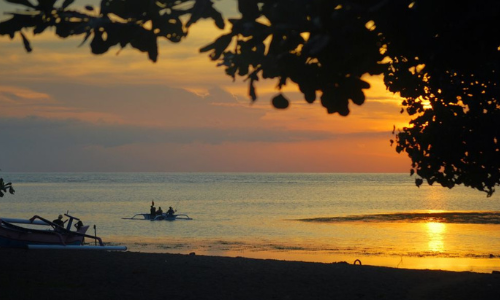
Lovina is a serene coastal area and resort ( Hotels , Villa , Restaurant etc) on the northern shore renowned for its black sand beaches and tranquil vibe away from southern Bali’s crowd and it draws visitors for its natural beauty and marine life such as Attractions of Dolphin watching stands out as the top draw, with wild dolphins appearing offshore around sunrise from 6:00 to 8:00 AM. Visitors hire local outrigger boats (jukung) for trips 1-2 km out to see them play and leap naturally . Snorkeling reveals colorful coral and fish near the shore.
BANJAR HOT SPRING
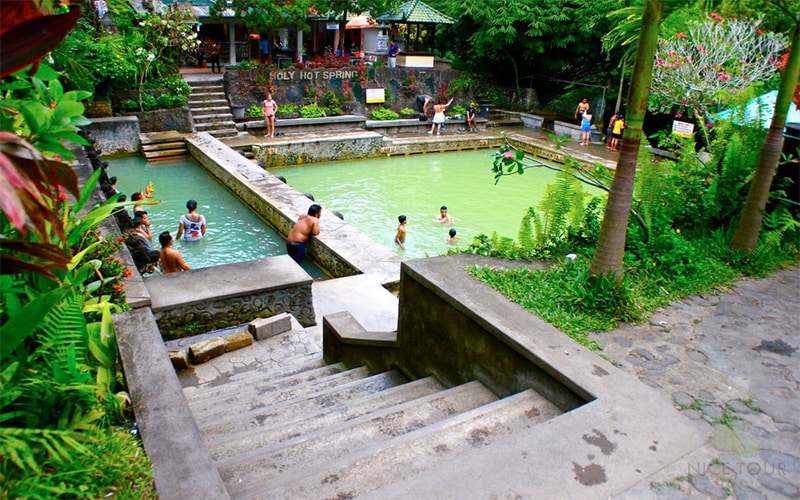
is a popular natural hot spring located in Banjar Village offers therapeutic sulfur-rich waters ideal for relaxation and skin treatments.Visitors enjoy multiple tiered pools with hot water spouts at depths of 1-2 meters, surrounded by tropical gardens, showers, a restaurant, spa, and souvenir shops.
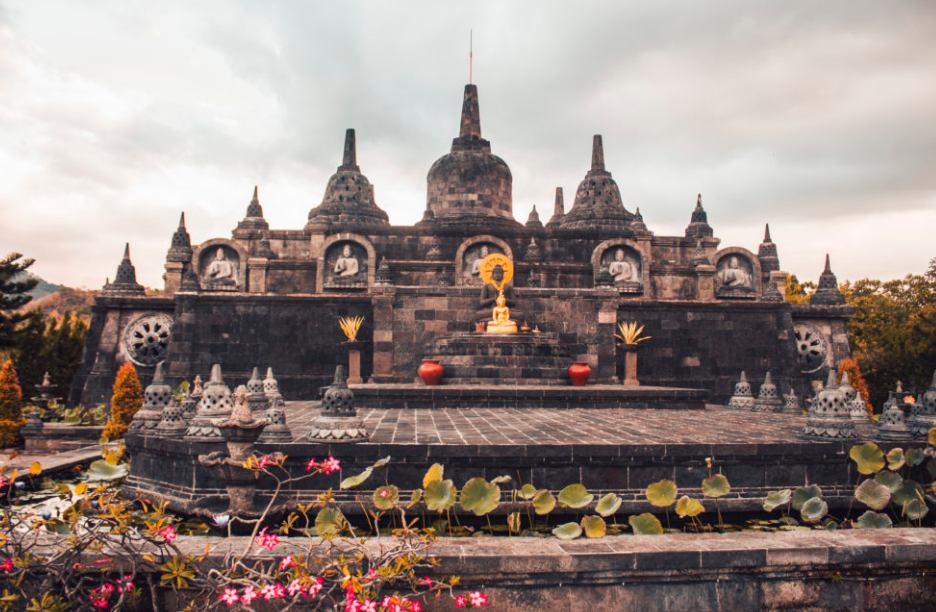
BUDDHIST TEMPLE
Brahma Vihara Arama is a prominent Buddhist monastery (vihara) in Banjar village established in 1971 for worship, meditation retreats and community gatherings. Its elevated hillside location offers serene views of hills and the northern Bali sea, blending Balinese architectural elements like tiered pagodas and statues with Buddhist features, attracting tourists and meditators.
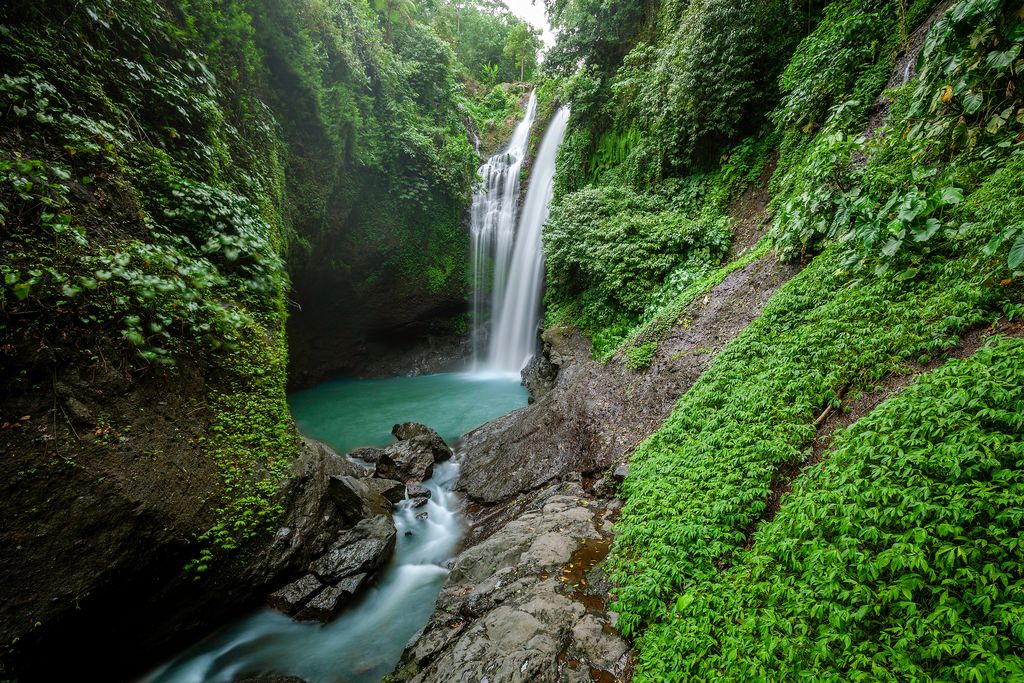
ALING ALING WATERFALL
Aling-Aling Waterfall is a stunning natural attraction in Sambangan Village, it features a 35-meter cascade and nearby smaller falls ideal for adventure. Waterfall sits in a lush jungle area accessible by a 15-20 minute trek from the parking area, passing stairs and greenery. It’s part of a series of seven Sambangan waterfalls, including Kroya, Kembar, and Pucuk. Visitors enjoy cliff jumping from heights of 5-15 meters, natural rock waterslides, swimming in clear pools, and canyoning. Swimming directly under the main fall is often restricted due to its sacred status, but nearby pools offer safe fun.
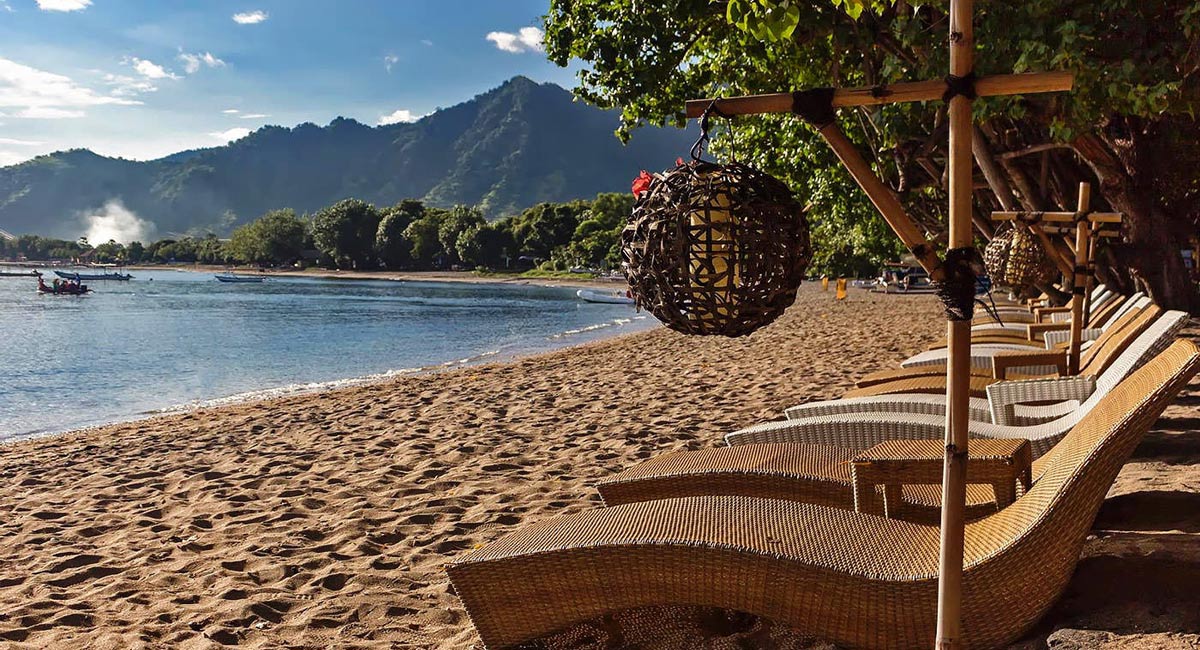
PEMUTERAN RESORT
Pemuteran is a coastal village renowned for its beaches, coral reefs, and eco-tourism initiatives. It gained recognition as a Best Tourism Village in 2025 for its sustainable practices, including community-based coral restoration using Biorock technology. It features black sand beaches, clear blue waters, and vibrant marine life, ideal for snorkeling and relaxation.
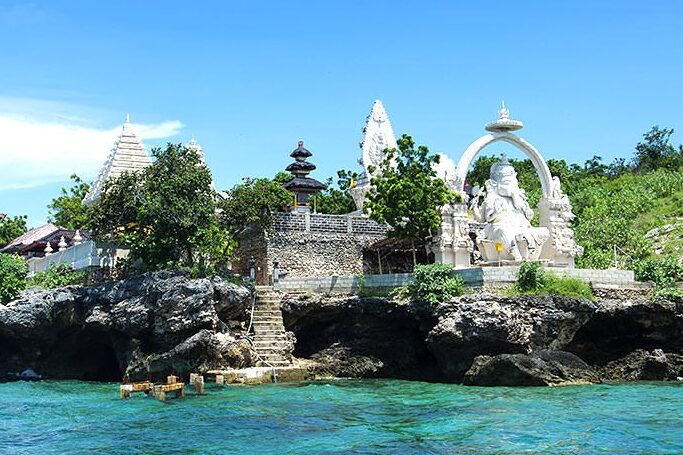
MENJANGAN ISLAND
is a small, uninhabited island renowned for its pristine coral reefs and wild deer herds. Named after the Javanese word for “deer,” it forms part of West Bali National Park and attracts divers and snorkelers seeking untouched marine life. Key attractions World-class diving and snorkeling with drop-offs up to 60 meters, caves, soft corals, groupers, turtles, and reef sharks.Wild deer roaming beaches, plus monitor lizards and Hindu temples visited by pilgrims.
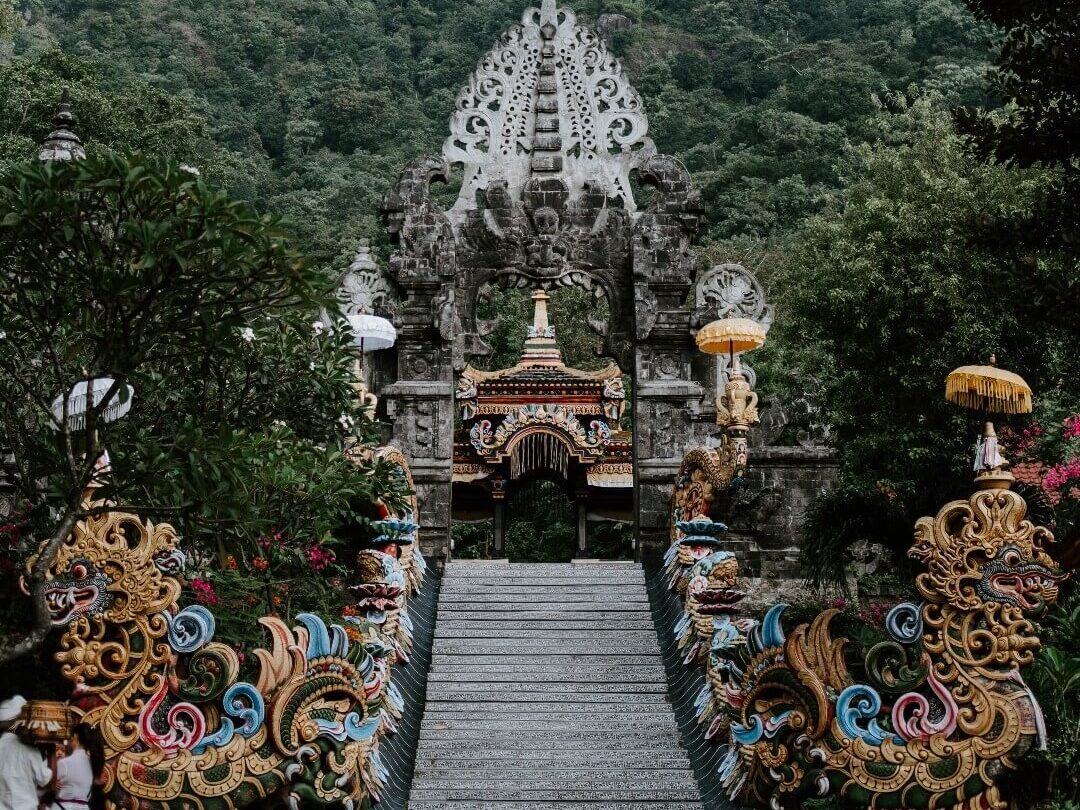
MELANTING TEMPLE
is a revered Hindu temple in North Bali, dedicated to Dewi Melanting, the goddess of prosperity and fertility, particularly venerated by traders and merchants. It sits at the foot of Pemuteran hill amid lush jungle. The temple’s serene, mystical atmosphere draws both worshippers seeking business blessings and tourists admiring its architecture.Historical Legend that
The temple traces its origins to the 16th century aClassified as a kahyangan jagat universal temple, it honors these figures and attracts Balinese Hindus for success in commerce .Architecture and Features
Black lava stone defines the temple’s striking structures, including statues, shrines, and a grand entrance gate with mythical dragon carvings. Visitors pass through a Balinese gate into courtyards with sacred buildings, lush gardens, and sturdy trees enhancing its tranquil vibe.
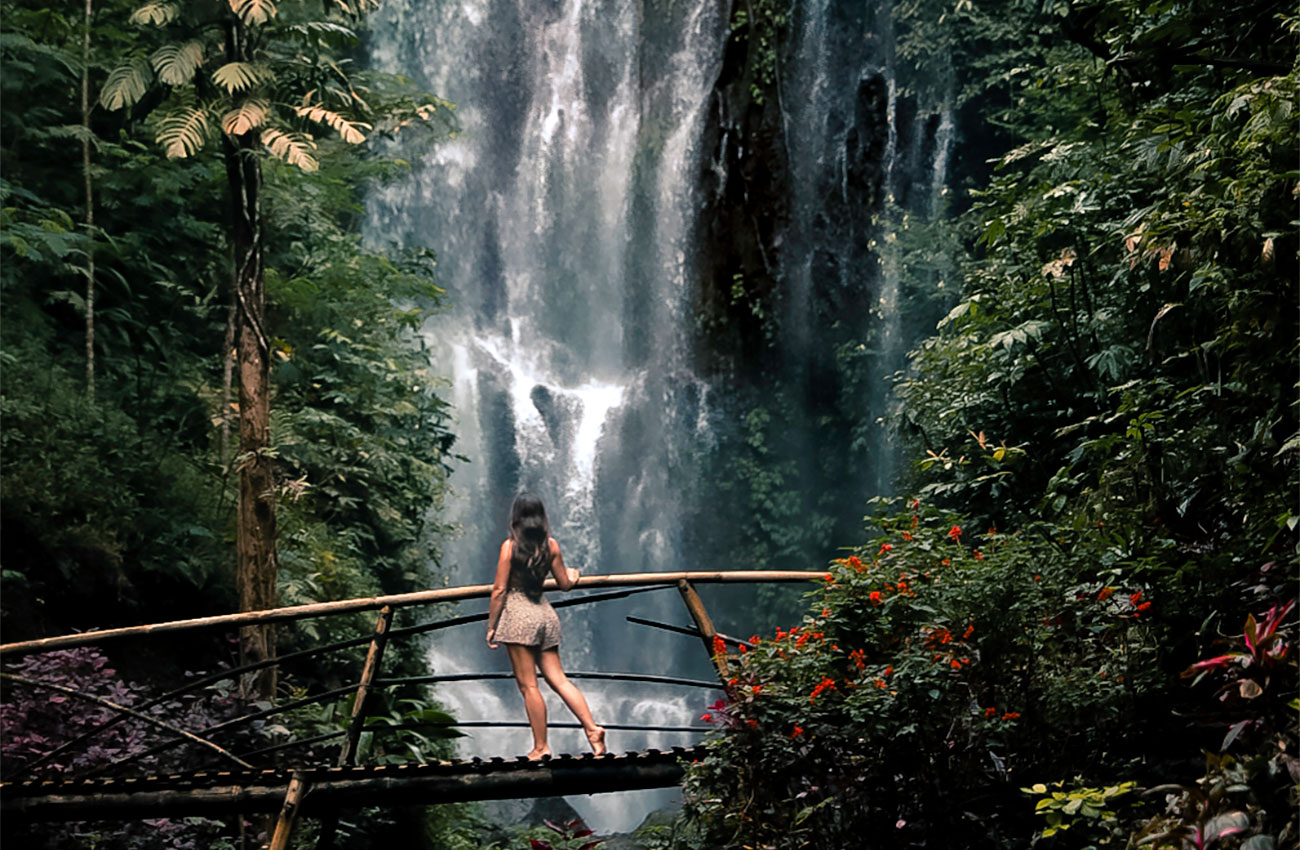
MUNDUK WATERFALL
is also known as Red Coral Waterfall, is a stunning cascade located in Munduk village which is nestled in Bali’s lush highlands amid rainforest and coffee plantations, it sits near other falls like Golden Valley and Melanting. The entry involves a short trek down slippery stairs or paths, so wear sturdy shoes and bamboo bridge leads to the base for photos, but swimming is limited due to strong currents and mist.
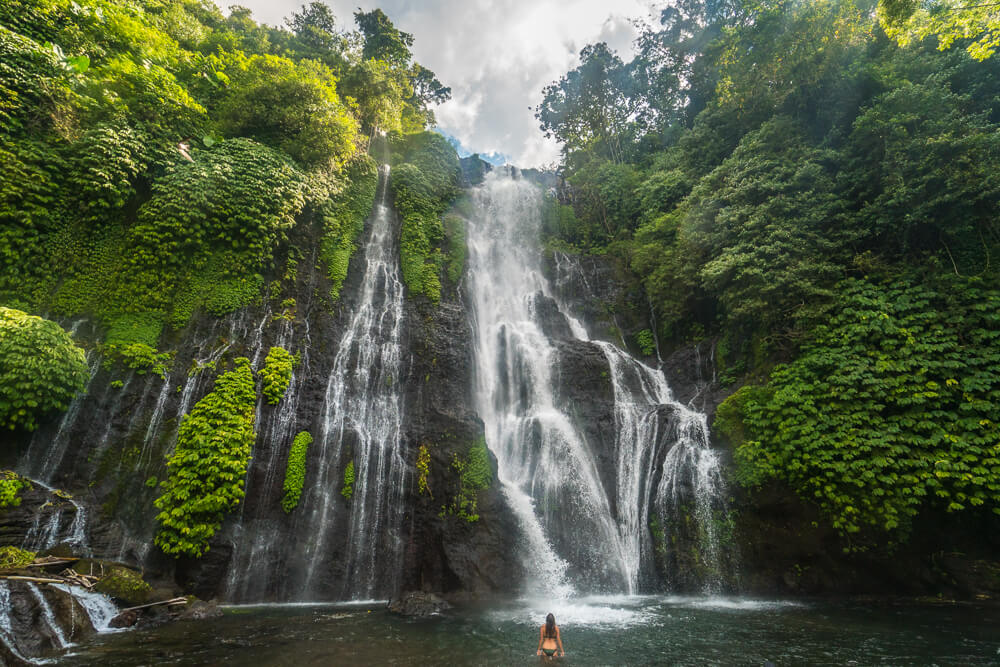
BANYUMALA WATERFALL
is also known as Twin Waterfalls, is a stunning natural that located in a lush valley, it features cascading waters around 37 meters high into clear natural pools ideal for swimming. The access involves a trek through jungle paths, best during dry season for safer trails but slippery paths require sturdy shoes.
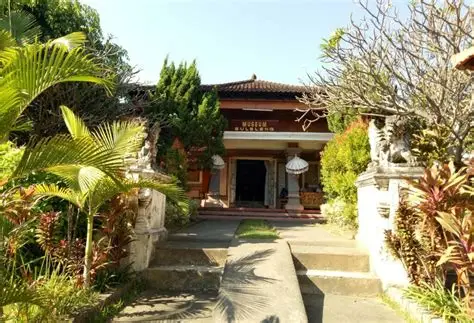
MUSEUM BULELENG
Museum Buleleng stands as the primary museum in Singaraja, the historic capital of Buleleng Regency that resides within the Pura Seni Sasana Budaya Singaraja complex, making it easily accessible near key cultural sites like Puri Singaraja and Gedong Kirtya library. History Established on March 30, 2002, it preserves Bali’s northern heritage, building on older collections from structures like Bale Mas dating back to 1914-1925.
Collections Displays include prehistoric artifacts such as sarcophagi, statues, and traditional weapons, alongside royal heirlooms from King Ki Gusti Anglurah Panji Sakti and his descendants and archaeological items, enhancing its focus on local history, art like ancient paintings and gold crafts, and everyday tools from farming and fishing communities. Nearby Gedong Kirtya, founded in 1928, complements it with thousands of ancient lontar manuscripts, open weekdays until early afternoon.
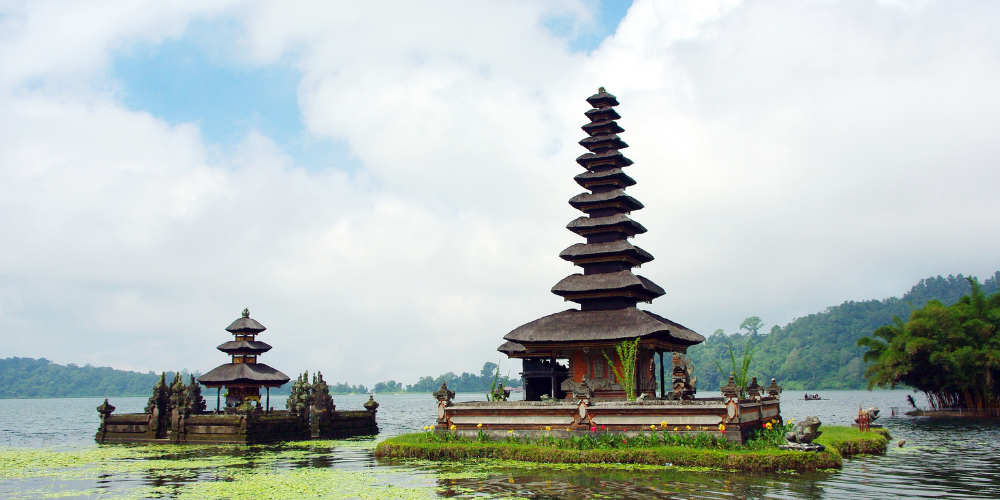
ULUN DANU BERATAN TEMPLE
Beratan Lake Temple sits on the shores of Lake Beratan in Bali’s Bedugul highlands. Known as the “floating temple,.built in 1633 during the Mengwi Kingdom era, the temple honors Dewi Danu, the Balinese goddess of lakes, rivers, and water. Lake Beratan supplies irrigation for central Bali’s rice fields, making the site vital for agriculture and ceremonies. Key shrines include an 11-tiered meru for Shiva and Parvati, plus a Buddhist statue reflecting Bali’s syncretic faith.
It offers cool mountain air and misty views framed by peaks. The complex spans multiple courtyards with ornate gates, blending Hindu and natural elements seamlessly.